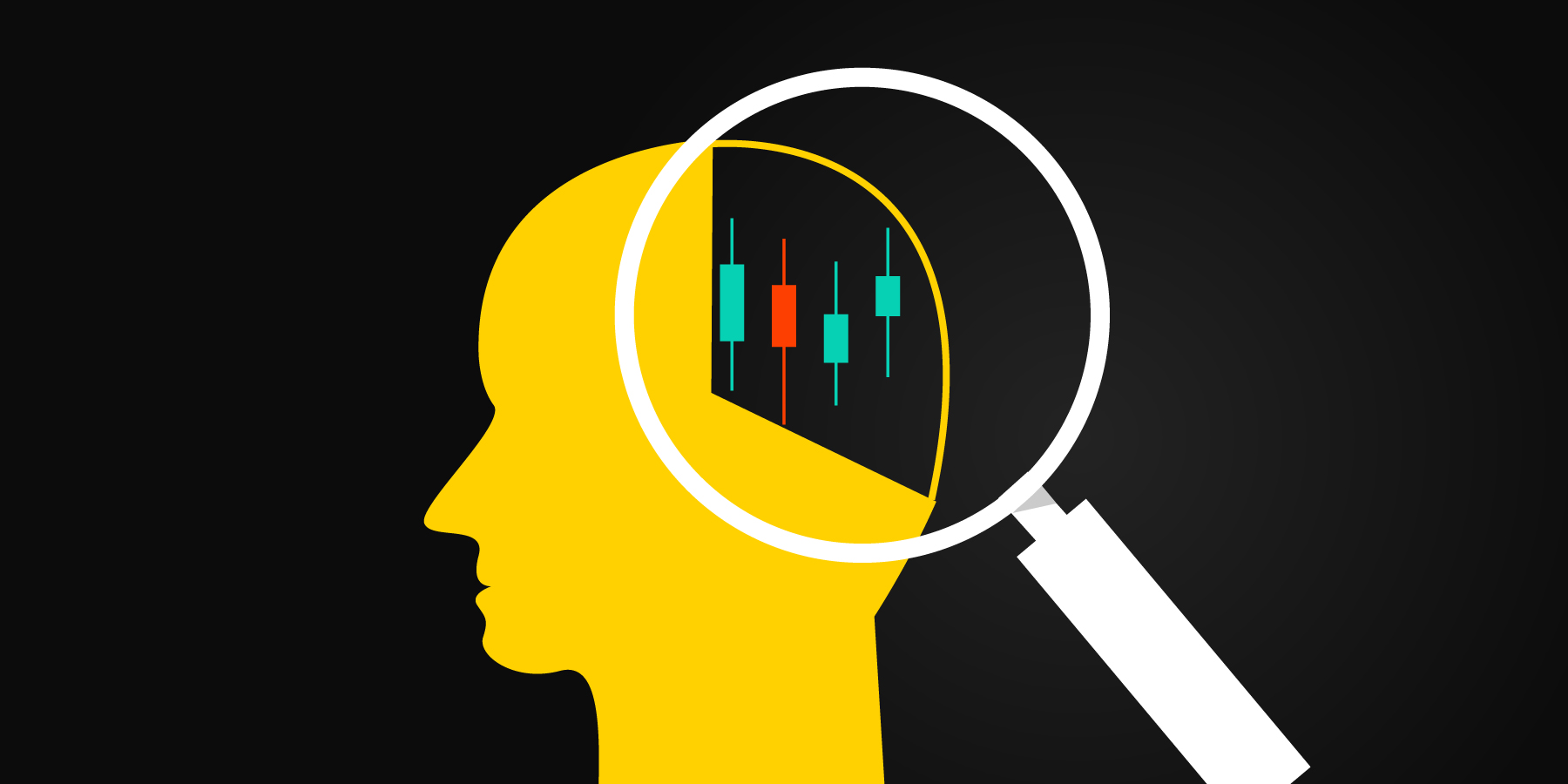

Trading Psychology Brief: Emotions and Market Decisions
The Basic Concept of Trading Psychology
Trading psychology encompasses the psychological factors that affect individuals' decisions in the stock or cryptocurrency markets. At its core is the significant impact of emotions on traders' decisions, with greed and fear being the two dominant emotions. For instance, greed might drive traders to blindly buy at the peak of asset prices, while fear could lead them to hastily sell without fully understanding the market conditions.
The Impact of Emotions on Trading Decisions
Greed can lead to high-risk decisions, such as impulsive buying when the price of a cryptocurrency soars; fear might cause traders to exit too early, missing out on potential gains. Fear of missing out (FOMO) is a common phenomenon, especially when assets appreciate significantly in a short period, prompting many to trade impulsively, overlooking rational analysis.
The Universality of Emotional Impact
Nearly all traders experience emotional fluctuations when trading. Most people feel pain when losing money and joy when making money. This emotional response is particularly pronounced in trading, affecting the rationality of trading decisions. Understanding and managing these emotions is key to avoiding emotional trading and making wiser trading decisions.
The Importance of Understanding Mindset Shifts
The Double-Edged Sword of Fear and Greed
The two most common emotions in trading markets—fear and greed—greatly influence trading decisions. Fear might cause traders to miss good opportunities, while greed could lead to blind market entry at high prices. A successful trader finds balance between these two emotions, using them rather than being controlled by them.
The Importance of Emotional Management
Mastering how to manage fear and greed is crucial for making rational trading decisions. Overreliance on either emotion can lead to poor decision-making. Just as important as mastering fundamental analysis and technical indicators is learning to understand and control one's emotions.
Challenges: Unrealistic Expectations and Losses
Trading is not a get-rich-quick scheme; it requires long-term learning and practice. Unrealistic expectations can lead to failure, while the ability to face losses is an important step in a trader's growth. Losses are inevitable, but what matters is how to learn from them and move forward.
Overconfidence Brought by Profits
While profits bring satisfaction, they can also lead to overconfidence in traders, even creating a sense of invincibility. This mindset might prompt traders to make riskier decisions, which could ultimately lead to losses.
The Influence of Market Sentiment and Social Media
For trading novices, social media and market sentiment can greatly influence their trading decisions. Negative sentiment can lead to panic selling, while blindly following online opinions can result in irrational investment decisions, especially when such advice may be sponsored.
Psychological Strategies for Becoming a Better Trader
Long-term Vision and Realistic Goals
Looking ahead and setting achievable goals are crucial for avoiding emotional trading. Creating plans aligned with long-term goals helps traders stay focused on future outcomes and avoid impulsive decisions due to short-term fluctuations.
Valuing Rest and Health
Taking regular breaks helps maintain clear thinking, preventing overtrading and impulsive decisions. Learning to step back after consecutive profits can prevent overconfidence. Adequate rest is not only essential for physical and mental health but also a key component of wise trading.
Learning from Mistakes
All traders inevitably make mistakes. It's important to analyze and learn from these mistakes rather than dwelling on failure or attempting to recoup losses through more trading. Lessons learned are crucial for future trading decisions.
Adhering to a Trading Plan
Developing and sticking to a comprehensive trading plan is vital for controlling emotional reactions and avoiding impulsive trades. The plan should include stop-loss and take-profit points, as well as daily profit and loss limits, which help remain calm under pressure and ensure progression along a predetermined path.
Unique Psychological Challenges in Cryptocurrency Trading
The Universal Psychology of Trading
Trading psychology applies across all asset classes, including cryptocurrencies. The psychological response to money, such as aversion to loss and the joy of profit, is fundamentally similar. Cryptocurrency traders, like those trading other assets, feel excitement during winning streaks.
Challenges of a 24/7 Market
Unlike the stock market, which closes on weekends, the cryptocurrency market operates around the clock, offering constant trading opportunities but also increasing the risk of emotion-driven decisions. For traders prone to emotional influences, the non-stop market can lead to significant losses.
The Psychological Impact of Extreme Volatility
The cryptocurrency market's volatility is exceptionally high, with token prices capable of doubling and then rapidly declining within a single day. Such drastic price swings demand a higher level of psychological resilience from traders, requiring them to remain calm in a rapidly changing market and maintain strict discipline.
Discipline and Decision-making
Faced with the cryptocurrency market's uncertainty and allure, professional traders don't rush into the market just because an asset is widely discussed or has seen short-term gains. They understand that calm and disciplined trading strategies are still key to profitability, even in highly volatile markets.
Conclusion
This article thoroughly analyzes the central role of trading psychology in successful trading, emphasizing the importance of emotional management, goal setting, recovery from failure, and adherence to plans for avoiding emotional trading and enhancing trading efficiency. Especially in high-volatility markets like cryptocurrencies, these strategies are particularly crucial.
Looking ahead, as trading technologies advance and more participants enter the market, understanding and applying trading psychology will become a key differentiator between success and failure. Traders should continually learn and adapt, developing stronger psychological resilience and discipline to navigate the ever-changing market landscape.
