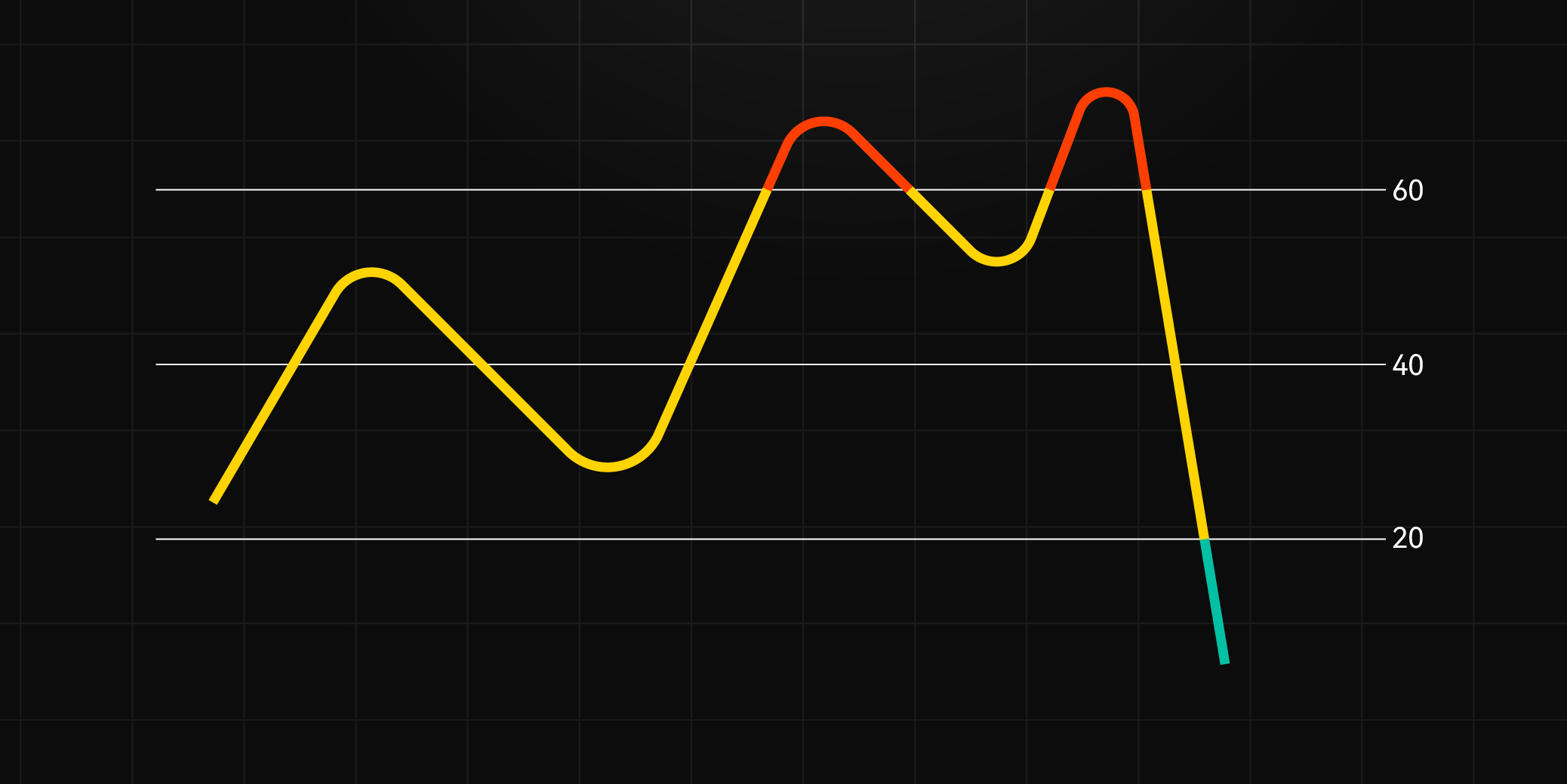
RSI stands for Relative Strength Index. It is a popular technical analysis indicator used to measure the strength and momentum of price movements in a financial instrument, typically over a specified period of time.
Advantages of RSI:
1. RSI helps identify overbought and oversold conditions, indicating potential reversal points in price.
2. It provides a numerical value that can be easily interpreted and compared across different securities or timeframes.
3. RSI can be used to generate trading signals when it crosses certain threshold levels.
Disadvantages of RSI:
1. RSI may provide false signals in trending markets, as it tends to give more accurate readings in range-bound markets.
2. It is a lagging indicator, meaning it reacts to past price data, and there can be delays in its signals during fast-moving markets.
3. RSI alone may not be sufficient to make trading decisions, and it is often used in conjunction with other indicators or tools.
To use the RSI indicator, follow these steps:
1. Determine the timeframe for analysis (e.g., daily, weekly, etc.).
2. Calculate the RSI using the formula: RSI = 100 - (100 / (1 + RS)). RS is the average of x days' up closes divided by the average of x days' down closes.
3. Identify overbought conditions when RSI exceeds a specific threshold (e.g., 70) and oversold conditions when RSI falls below another threshold (e.g., 30).
4. Use RSI crossovers with these thresholds as potential entry or exit signals.
5. Consider confirming RSI signals with other technical indicators or price patterns.
Remember, it's important to backtest and validate any trading strategy before applying it in real-time trading.